 Image 1 of 1
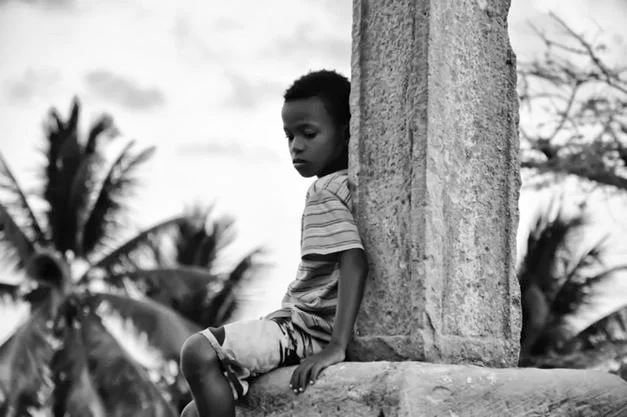
2011年、ブラジル・ペルナンブーコ州のオリンダを訪れた。ブラジルで最も古い町のひとつだ。アルト・ダ・セの古い教会のそばに、植民地時代の鞭打ちの柱が今も立っている。かつて奴隷たちが鎖でつながれ、罰を受けた場所だ。その柱を見ただけで、そこに刻まれた痛みと悲しみが伝わってきた。2時間ほど歩いた帰り道、再びその前を通ると、一人の黒人の少年が柱の上に座っていた。かつて奴隷たちが罰せられた、まさにその場所に。彼の悲しげな眼差しは、柱に積み重なった悲しみを映しているようだった。貧しさがはっきりと見て取れるその姿に、あの時代から本当に何が変わったのだろうかと考えずにはいられなかった。
In 2011, I visited Olinda, in Pernambuco, one of the oldest cities in Brazil. Near the old church at Alto da Sé stands a whipping post from colonial times, where enslaved people were chained and punished. Just looking at it, I could feel the pain and sorrow attached to it. After walking for about two hours, I passed by it again on my way out. This time, a Black boy was sitting on it, right where the enslaved had been punished. His eyes were full of sadness, as if they reflected all the sorrow gathered in that post. He was clearly poor, and it made me wonder how much has really changed since that time.